

Fontaines D.C. “Dopamine Chamber” Review
Written by Beau Croxton
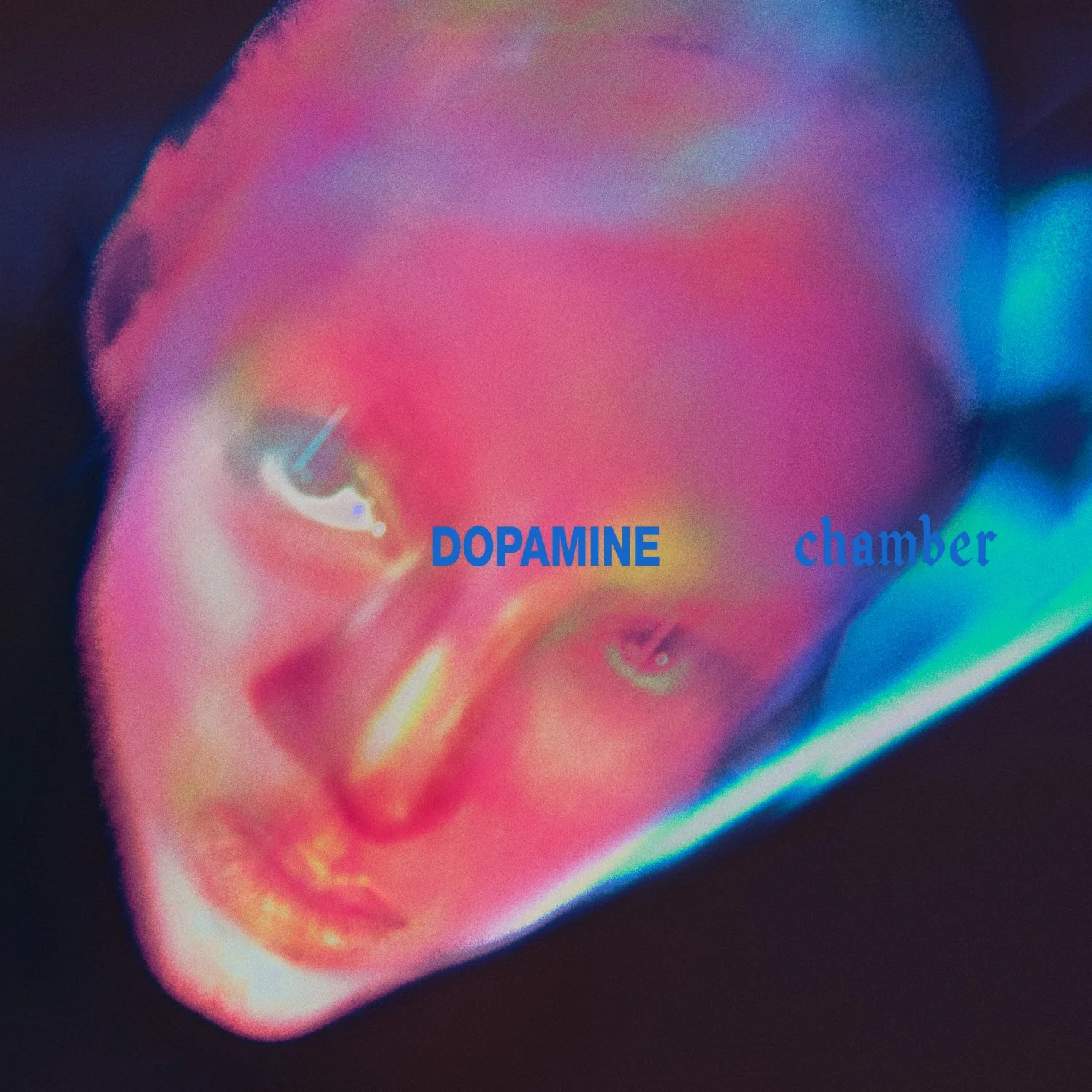
With Dopamine Chamber. Fontaines D.C. urge you to escape within the music, rather than to hang on to the edge of your seat.
This Friday October 16th, Dublin’s Fontaines D.C. return with their fifth album, Dopamine Chamber, and it's clear they are keen to keep shaking things up a bit.
Their 2024 breakthrough album Romance made waves by combining their trademark personality with a bigger sonic ambition, and Dopamine Chamber takes the approach further with a different balance. Here, they push their sound into a more atmospheric experience; the record often encourages you to let the music wash over you more than it urges you to lock-in. The tunes and soundscapes of Dopamine Chamber rely on texture far more than the sharp, guitar-forward immediacy of their earlier work, and it's aimed to induce a sense of euphoria.
James Ford (who produced Romance and is known for his work with Gorillaz, Arctic Monkeys and more) returns to production on Dopamine Chamber, where the group harnesses strings and synths, ballads and vibey soundscapes. While the record feels like a step further into elements found on Romance, their trademark energy, directness and grit is often traded in for a heavier balance of dreamy or soothing material. The production is a standout, as the tunes are regularly lifted by beautiful arrangements that exceed its straight-forward songwriting.
Check out our track-by-track review for Fontaines D.C. - Dopamine Chamber
“Six Shot Morning” opens with swelling electronics and a bleeping bass synth, providing a processed and upbeat feel behind Grian Chatten’s spacey, non-chalant crooning. This opener goes for something hypnotic, and succeeds in its great sense of build and large drops. A peppy, motorik beat and icy synth leads heighten the track’s back half; they dazzle and reward the repetition. This opener is one of the more successful stabs at what they are aiming for, and it plays with dynamics in a great way.
Lead single “Marianne” has some thumping bass synth and verby snares that aim for something more anthemic. Synth pads and dramatic string melodies lift the latter choruses; there’s no doubt that a lot of love went into the production. It makes sense as a lead single choice, as it stands out in context of the record— but it doesn't make nearly as large of a splash as the band’s standouts on previous efforts.
“Mimesis” flaunts scuzzy, driving bass while ethereal touches add emotion to the performance. Some extremely catchy riffs and vibey synths lift the track in its post-chorus moments towards the end, but too much of the song treks by without leaving much of an impression.
“Happy for You” opens with a slow and moody riff and uses tension and release to its advantage. The track eventually brings an overdue dose of heavy distortion and energy to the mix. It thrives in the delivery of its grander and energetic moments, and it should be an exciting live track.
“Demolition” plays with dramatic pauses and negative space in a way that’s even more effective than the rest of the A side of the record. It’s a standout smash that has punchy distorted choruses and it's one of the album’s finest cuts. Its addictive and repetitive Oasis-esque vocal hooks are absolute earworms that stick long after the track is over.
On “Tongue”, there’s interesting production touches; the trip-hop-tinged beat is distorted and warped out of prominence, and it delivers thrills accordingly when it all comes back in. The track is let down by a (very unnecessary) chipmunk vocal sample, and the rhythmic vocals don't always land. Nevertheless, the back half sees interesting piano melodies dancing with fuzzy riffs, until the tune reaches a satisfying, shreddy conclusion.
The ballad “One Man” leads with orchestral arrangements, strummy acoustics and belting vocals until a slick drum line comes in and heightens the track significantly. Chatten declares the album title in his poetic musings: “Dopamine chamber just trying to kill the pain / You can’t escape the feeling once you’ve given it a name.” The second half utilizes significant layers that bring the sense of euphoria that the band is clearly aiming for. Although the track leans into repetition, there is a lot of beautiful production here that will reward repeated listens.
”Where is Gone”(ft Rosalía) is both an outlier and the undoubted album highlight. It stuns with gorgeous orchestral arrangements and moody, nylon-string guitar. To the surprise of no one, Rosalía’s vocals are beautiful as ever, and they actually blend beautifully with Chatten‘s baritone. It feels like a Lana Del Ray song penned for a James Bond soundtrack in an intoxicating way. It’s an undeniably well-written and epic standout where every note feels highly considered.
”You Miss Me” is contrasted by dark riffs and dramatic verses that are met with triumphant, symphonic choruses that feel like fresh gusts of wind. This catchy track works perfectly for what Fontaines are dipping their toes into on Dopamine Chamber, and its duality is delivered seamlessly.
The close of the record mellows a bit. “Japan” leans into a jangly Verve-esque Britpop vibe, while album closer “Intimate” aims for a hypnotic swagger before it disintegrates into euphoric space.
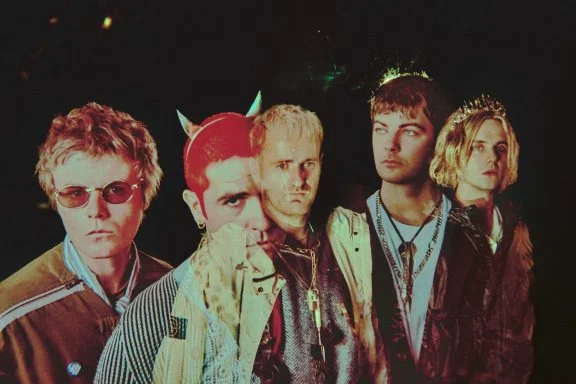
While a sonic expansion worked wonders for the group on the more punchy Romance, things can feel a bit more safe and spacey on Dopamine Chamber. The record works best when the songwriting and melodies are on par with the ambition of the grand atmosphere, or when its production and arrangements shine in a way that reinforces their direction. Dopamine Chamber is a step further towards the ethereal, and it takes stock in slower and swirling moments far more than energy or grit. It often feels more like curious sonic exploration, rather than a shift to make things more blatantly accessible, because if that was the case, I think Dopamine Chamber would be far more hook-laden and catch than it already is. Despite the continued shift into lighter sonics, thankfully, the group keeps things closer to The Smiths, The Verve and Mazzy Star more often than it feels like something middling from U2.
Dopamine Chamber is solid effort that’s carried by its highlights and its interesting production moments. Its reception may depend on the listener's openness to getting lost in the swirling atmospheric mix of beauty and gloom. It’s a grower— if you're hoping for something immediate that sinks its hooks, it may take a minute to let the vibeyness wash over you. At its best and most effective, Dopamine Chamber allows the listener to escape within the music into a blissful state, rather than to hang on to the edge of their seat. Unfortunately, in some instances, the record has cuts that feel bland and far less exciting than what the band has previously offered.
Speaking on the album, lead singer Grian Chatten said “The album itself is a dopamine chamber. You step inside and we test these different mind- or mood-altering pieces of music on you.”
That's exactly what you get with Dopamine Chamber, as the record is often more concerned building an effective mood or vibe with its textures than zeroing in on consistently gripping moments. Ultimately, when their strong songwriting and unmatched vibes combine on Dopamine Chamber’s biggest highlights, it's a pure delight.
Occult Highlights: “Where is Gone? (ft Rosalía),” “Demolition”, “Six Shot Morning” “You Miss Me”
7.0/10
SUPPORT OCCULT MAGAZINE
Hello reader and thanks for your support!
Occult Magazine is currently an independent & ad-free music publication. We rely on the passion and volunteered hard work of our generous contributors in order to deliver our best to you on your favorite music.
If you enjoy what we are doing—
Please consider donating HERE or HERE if possible!
Thank you!